
Living and working in Sweden
Sweden is amongst others famous for IKEA, H&M, beautiful nature, and their meatballs. But what else? And what would it be like moving to Sweden?
Here we will try to give you a much more detailed picture of this cool country.
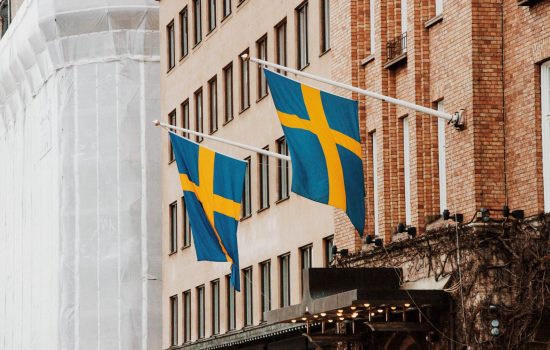
Click below to read more about:
- Latest available jobs in Sweden
- All you need to know about working in Sweden
- Taxes in Sweden
- What you need to fix when you start living and working in Sweden
- Popular cities in Sweden
- Speak to one of our recruiters
- Life in Sweden
- Swedish culture
- Eat Swedish specialties
- Finding accommodation in Sweden
- Cost of living in Sweden
- Still not convinced about Sweden?
- FAQ
- Find work in other countries nearby
Latest available jobs in Sweden
German Account Executive in Stockholm/ Remote in Germany | Jobsquad
Apply for a German-speaking account executive role in Stockholm or remotely in Germany. SaaS sector. Career growth via JobSqd.
German Sales Development Representative in Stockholm/ Remote in Germany | Jobsquad
Apply for a German-speaking sales development representative role in Stockholm or remotely in Germany. SaaS sector. Career growth via JobSqd.

Swedish speaking Trainer – Stockholm
Do you speak Swedish and are you looking for an exciting job as Trainer in Stockholm? Contact us and start your work adventure.
Currency
The official valuta is the Swedish krona (ISO code: SEK, symbol: kr)
Famous people
Some notable Swedish people are Zlatan Ibrahimović, Astrid Lindgren and the DJ, Avicii
Population
Sweden has a population of ~10.4 million people, many living in Stockholm
Typical food
Köttbullar (meatballs), pytt i panna (stir-fry with veggies and meat with egg and ketchup), kanelbullar (cinnamon bun), semla (sweet roll)
Avg. working week
Sweden has a 40 hour work week, 8 hours daily spread over 5 days a week
Location
Sweden is located in northern Europe (part of Scandinavia), and borders Norway and Finland. The capital city is Stockholm.
Languages
The official language is Swedish, and they use latin script when writing
Healthcare
Swedish healthcare is ranked high on a global scale. Healthcare is primarily funded by taxes.
All you need to know about working in Sweden
In Swedish companies, you will often find that negotiations and decisions take a little longer. In business contexts the Swedes are seeking consensus and therefore make sure to involve many parties before a decision is made. They are loyal to their partners, but it can also take a long time to build a good relationship, because the Swedish work culture is more formal.
Stockholm is the economical centre in Sweden, so if you want to land a job here you have to know that it can be a struggle unless your profession is related to technology and science – these are the leading fields in the job market of Stockholm. Stockholm is also one of the cleanest cities in Europe and it’s considered a major frontrunner of ecological places and technology hubs.
Taxes in Sweden
As an EU citizen, you can get a Swedish Identity card by going to the Swedish tax agency (Skatteverket) with your passport, personal identity number and the money transfer receipt. Regarding tax rates most people in Sweden pay only local tax – ranging between 29.08 and 35.15 per cent depending on municipality.
What you need to fix when you start living and working in Sweden
There are a couple of things you need to fix when you move to Sweden. We list them here for you:
- Residence permit; EU-citizens need a residence permit for work before moving
- Personal Identity Number; needed for healthcare, banking, contracts, and salary
- Healthcare registration; Sweden has a public healthcare system
- Open up a local bank account; needed for salary payments
- Get a local SIM card
Popular cities in Sweden
Speak to one of our recruiters

Ceren
Life in Sweden
Sweden is known for its beautiful scenery, ranging from the archipelagos to the forests and lakes. Embrace the Swedish concept of “allemansrätten” (the freedom to roam), allowing you to explore and enjoy nature freely.
Swedes have a deep appreciation for design and sustainability. From modern furniture to stylish fashion, the Swedish aesthetic is present everywhere. Sweden also provided the world with IKEA and H&M, two globally recognised brands. The country has a high standard of living and is renowned for its social welfare system, offering free education and healthcare.
Swedish culture
You may find the Swedes a little reserved, as they often behave politely and a little more cautiously in public. However, Swedish society and the Swedish welfare model are broadly similar to the Danish and Norwegian one, and you will therefore experience small, whimsical differences rather than huge surprises.
The Swedes are also known for their fantastic grip on music, perhaps best exemplified by ABBA, Avicii, and Zara Larsson. Sweden also has a proud tradition of Nordic, minimalist design – and although many know the Swedish furniture tradition best as IKEA, the country holds far more than that. In Sweden, traditions are highly valued, and the midsummer celebration after a long and dark winter is one of the highlights of the year that you must not miss.
Eat Swedish specialties
Swedish cooking is something else and more than the infamous surströmming, which most Swedes are actually not so happy about:
- Sweden’s long coastline ensures that the kitchen can be supplied with plenty of seafood, and the potato is also an important ingredient in Swedish dishes.
- Popular eats are marinated and fried herring, meatballs and stews with boiled potatoes as an accompaniment.
- When the crayfish season begins in August, the Swedes cover up for crayfish feasts, which involve both party hats, schnapps and old shows.
- They also have the famous kanelbullar (cinnamon buns) and very tasty sweets and pastries in general.
- Or find out how to make Lussebullar, another Swedish specially, yourself.
Finding accommodation in Sweden
There are many opportunities to find a home online. Start looking for housing on local, Swedish housing sites or in local Facebook groups and ask in your own network if there should be any contacts. The average monthly rental costs in Sweden:
- 1-bedroom apartment in the city center: €1,000-€1,600
- 1-bedroom apartment outside the city center: €700-€1,100
- Room in a shared apartment: €400-€700
Cost of living in Sweden
Sweden is one of the more expensive countries in Europe. However, the average salary is also somewhat higher. We list the most important costs for an expat living and working in Sweden:
- Groceries: €220-€390 a month
- Meal at an inexpensive restaurant: €10-€18
- Coffee in a café: €3,50-€5,50
- 0.5L Beer in a bar: €6-€8,50
- Gym membership: €25-€55 a month
- Cinema ticket: €11-€15
Still not convinced about Sweden?
Living in Sweden means experiencing the magic of long summer days and snowy winters. It means joining in Midsummer celebrations, witnessing the Northern Lights, and enjoying the Christmas markets.
Sweden offers a wealth of attractions and sights to explore:
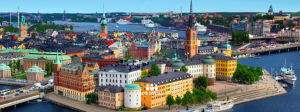
- Start with Stockholm, the capital city, known for its stunning architecture, historic old town (Gamla Stan), and beautiful waterways. Visit the Vasa Museum, where you can see the well-preserved Vasa warship from the 17th century.
- Explore Gothenburg, the country’s second-largest city, with its charming canals, lively food scene, and the Liseberg amusement park.
- Head north to Lapland for a chance to witness the Northern Lights (Aurora Borealis) and experience unique Sami culture. Don’t miss the picturesque coastal towns and islands, such as Visby on Gotland and the Stockholm Archipelago, with their scenic landscapes and charming medieval history.
FAQ
No, as an EU citizen, you do not need a work visa or permit to work in Sweden. EU citizens have the right to freedom of movement within the European Union, including the right to work in any EU member state without a work permit. Read more about it here.
The cost of living in Sweden can be relatively high compared to many other countries. Expenses such as accommodation, transportation, and dining out can be quite costly, particularly in major cities like Stockholm and Gothenburg. Rent prices, in particular, tend to be high. However, salaries in Sweden are also generally higher, which helps offset the higher cost of living. It’s important to note that the cost of living can vary depending on individual circumstances, lifestyle choices, and the specific region within Sweden. It’s advisable to plan and budget accordingly when considering living in Sweden.
Sweden has a varied climate with distinct seasonal changes. The weather in Sweden can be described as mild to cool in the coastal areas and more continental in the inland regions. Summers (June to August) are generally pleasant, with average temperatures ranging from 20 to 25 degrees Celsius. Winters (December to February) are cold, especially in the northern parts, with temperatures often dropping below freezing and occasional snowfall. Spring and autumn can be unpredictable, with temperatures varying between mild and chilly.
If you plan to stay longer than expected in Sweden, we recommend that you learn the language. The Swedish Institute offers free courses to learn Swedish, but also you visit the website Learning Swedish where you can learn the basics and it’s for adults. Also, “Swedish for immigrant” (SFI) is a program with multiple free courses around the country that you can make use of.
Sweden has one of Europe’s most efficient and largest networks for transport with train. Other than that, their bus and metro system is also of high standards and it is easy to move around.
Sweden has a renowned healthcare system known for its high-quality and accessible care. The Swedish healthcare system is primarily tax-funded and provides comprehensive coverage to all residents. It offers universal healthcare, ensuring that everyone has equal access to medical services and treatments. Patients can choose their healthcare providers, and the system focuses on preventive care and early intervention. Sweden places great emphasis on research and innovation in healthcare, leading to advancements in medical technologies and treatments. The healthcare system in Sweden is characterized by efficient organization, patient-centered care, and a strong commitment to public health.


